August means move-in boxes, new parking permits, and a car that has to work for a schedule that changes every semester. Ontario students and parents shopping this season aren’t looking for a spec sheet; they want to know which shape actually solves their week.
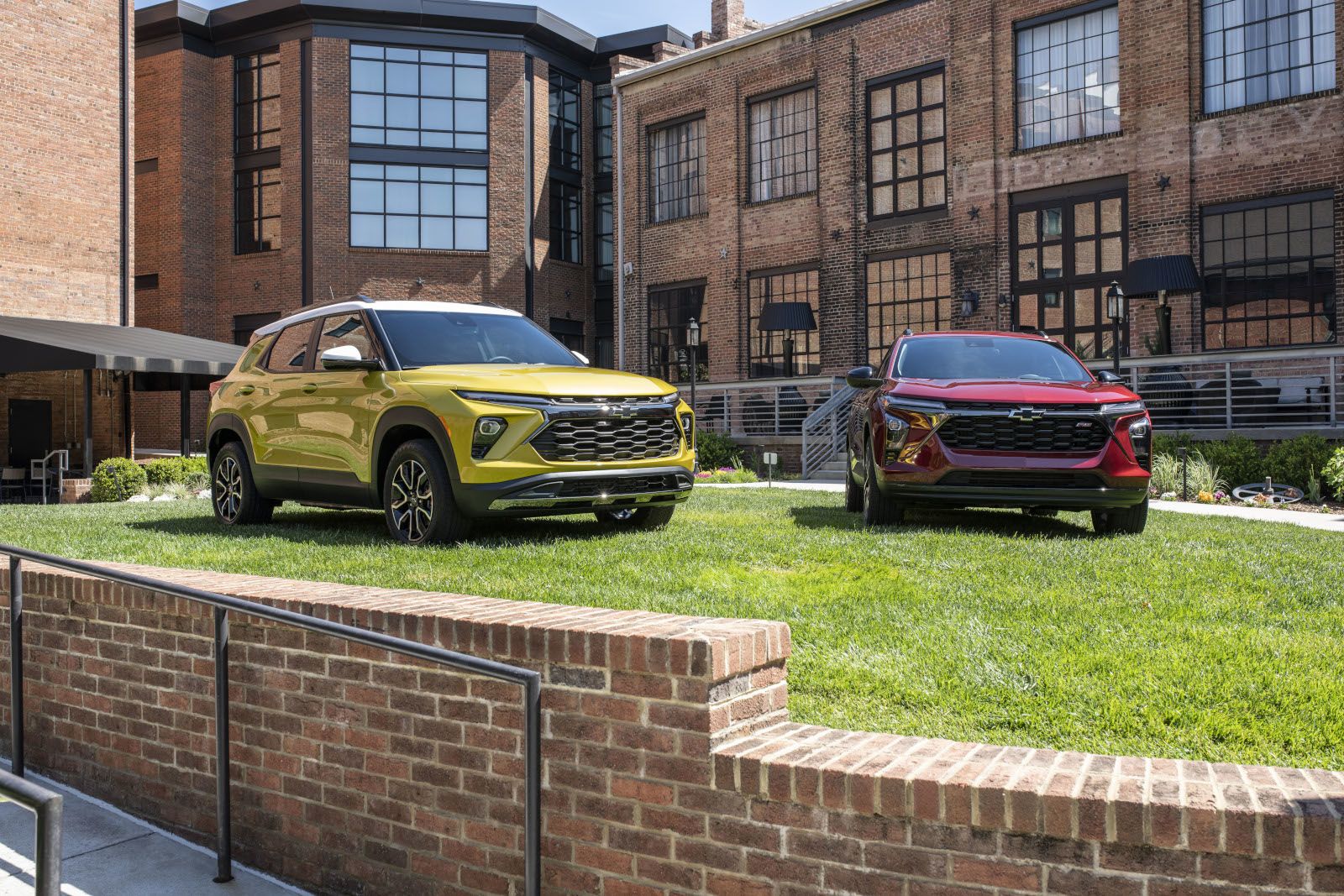
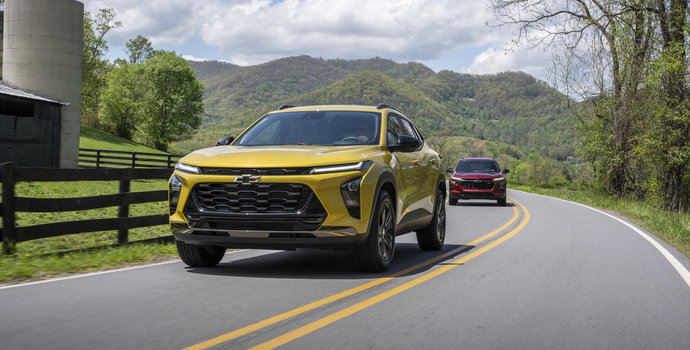
Chevrolet’s lineup happens to cover five very different answers to that question: three small SUVs and two electric SUVs. None of them is the “right” one overall. Each is built for a different routine.
Explore Chevrolet SUV Inventory
Discover versatile SUVs designed with the comfort, technology, and capability to support every lifestyle.
Shop SUVs >
Five Shapes, One School-Year Decision
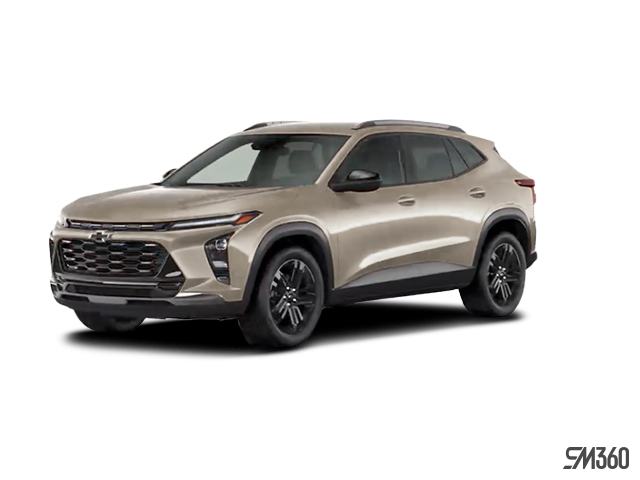
The 2026 Trax, 2026 Trailblazer, and 2026 Equinox are all gas-powered SUVs, but they scale up in size and content. The 2026 Equinox EV swaps the fuel tank for a battery and a bigger cabin, and the 2027 Bolt keeps things small as Chevrolet’s compact electric hatchback.
That spread matters because a solo student parking on a tight street has different needs than a family covering co-op placements and weekend moves. The rest of this guide sorts by situation, not by trim level.
Why a Small SUV Often Wins on Visibility and Confidence
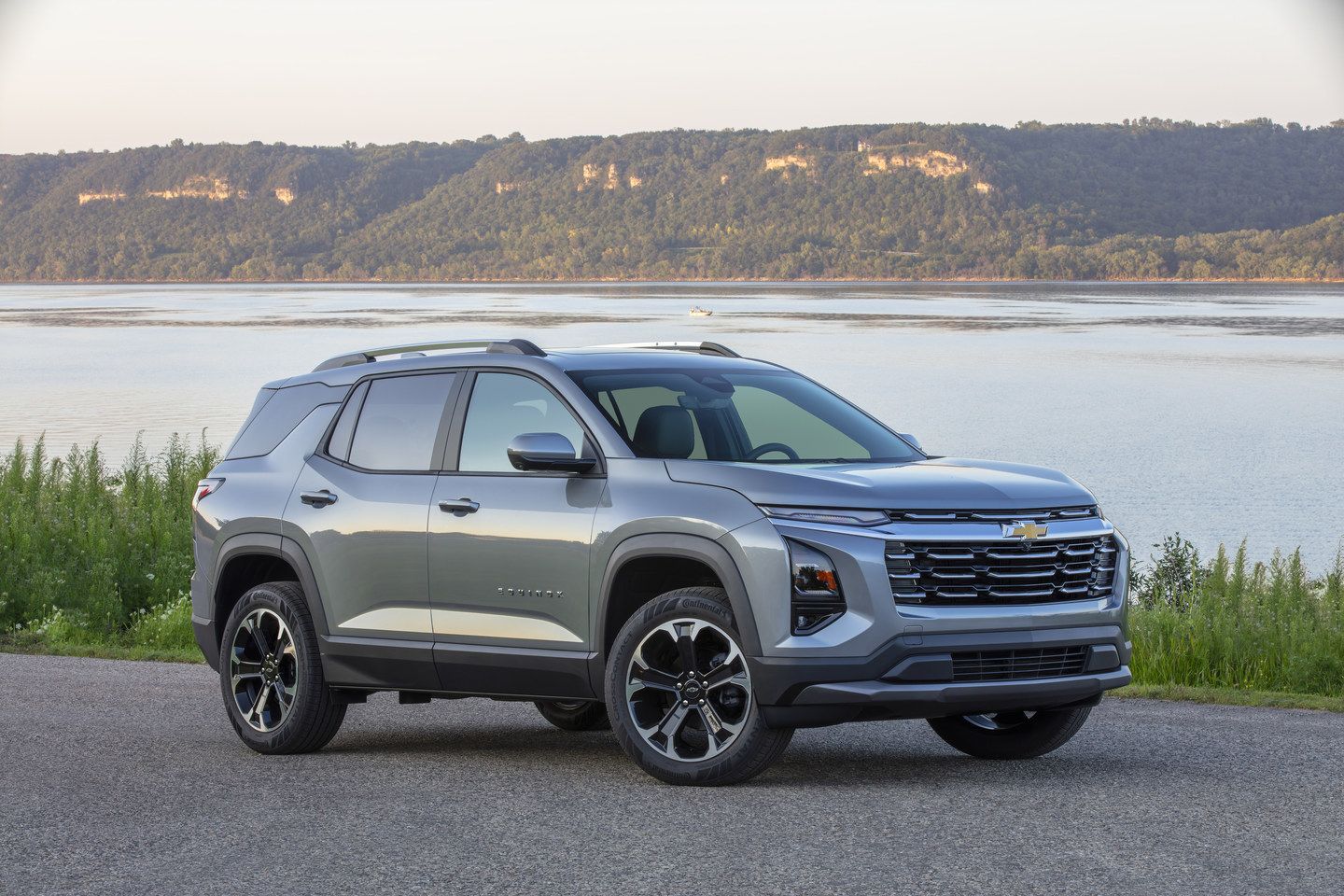
An SUV’s raised seating position and extra ground clearance take the guesswork out of curbs, snowbanks, and unfamiliar parking lots. The Trax rides with 185 mm of ground clearance, noticeably more than a low-riding hatchback, which helps on rough campus lots and after a fresh snowfall.
The Trax runs one straightforward powertrain across every trim: a 1.2L turbocharged inline-3 making 137 hp and 162 lb-ft, paired with a 6-speed automatic and FWD, rated at 8.1 L/100 km combined. One engine, one drivetrain, no decision fatigue.
The Trailblazer adds a step up. Its base 1.2L turbo I3 also makes 137 hp and 162 lb-ft on FWD trims, but moving to the 1.3L turbo I3 (155 hp, 174 lb-ft) unlocks standard AWD and up to 1,000 lbs (454 kg) of towing, useful for the odd trailer rental during a move.
The Equinox scales up again with a 1.5L turbocharged inline-4 producing 175 hp and 184 lb-ft, available in FWD or AWD, and towing up to 1,500 lbs (680 kg) when properly equipped. The Trax, by comparison, isn’t designed or intended to tow a trailer at all.
|
Model
|
Cargo (Seats Folded)
|
Combined Fuel Economy
|
|
2026 Trax
|
1,532 L
|
8.1 L/100 km
|
|
2026 Trailblazer (FWD)
|
1,540 L
|
7.8 L/100 km
|
|
2026 Equinox
|
1,798 L
|
8.8 L/100 km
|
When the Bolt’s Hatchback Shape Makes More Sense
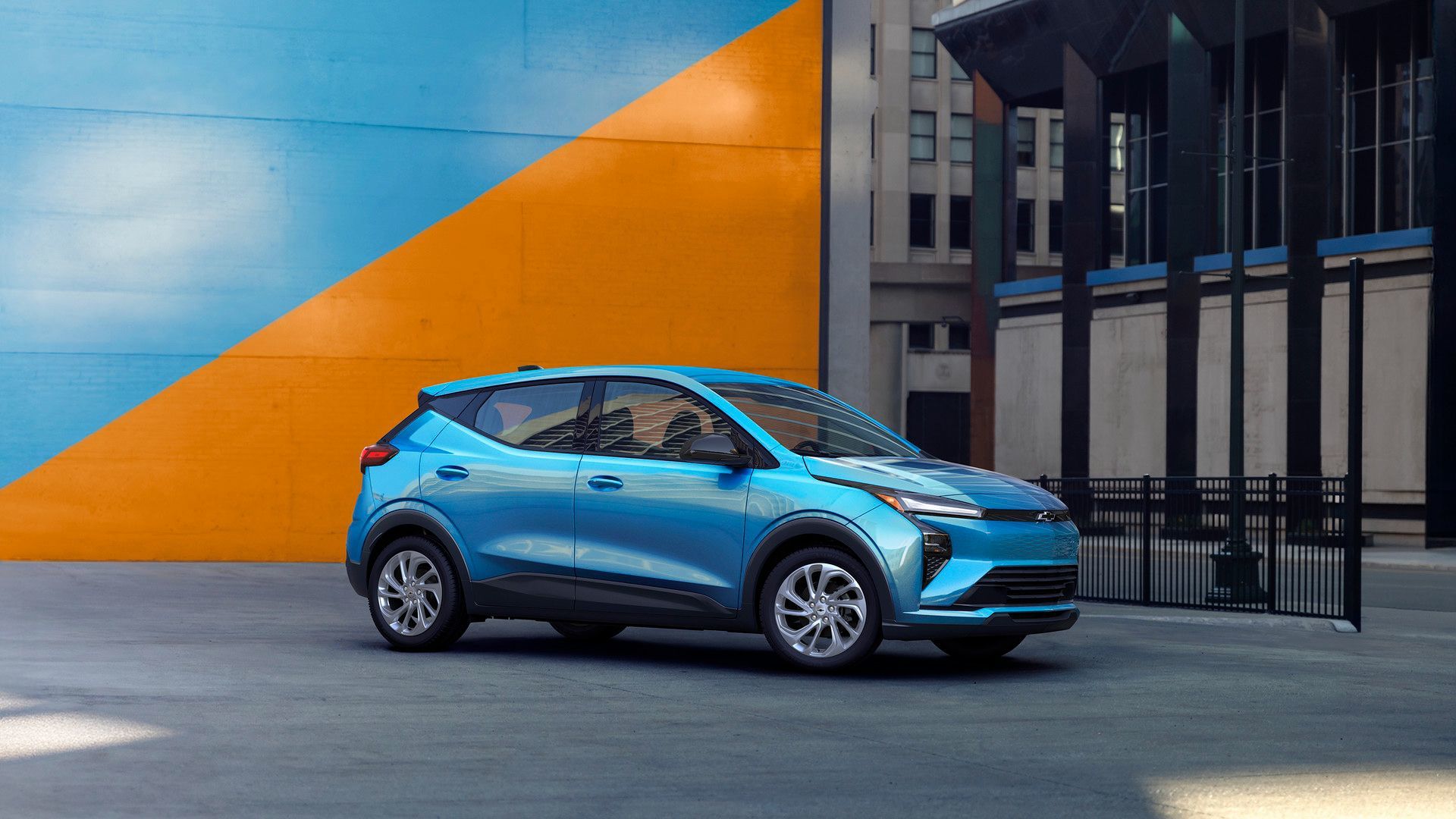
A hatchback earns its keep in tight urban parking. At 4,307 mm long, the 2027 Bolt is shorter than the Trailblazer (4,421 mm), the Trax (4,536 mm), and the Equinox (4,653 mm), which counts for something on a street with no give.
The Bolt’s hatch also sits at a 771 mm liftover height, which keeps lifting a duffel bag or a crate of textbooks manageable rather than a stretch over a high bumper. Cargo behind the rear seats is 458 L, growing to 1,594 L with the 60/40 rear seat folded.
The trade-off is passenger room: a compact hatchback simply carries less than a compact SUV. For one person and their gear, that’s rarely a problem. For a full carload, it’s worth weighing against the Trax or Trailblazer’s taller, boxier interiors.
Solo Students, Roommate Carpools, and Family Runs
A solo student who mostly drives alone and parks on campus or a residential street benefits most from a smaller footprint and simple ownership, which points toward the Trax or the Bolt depending on whether a plug is part of the routine.
A roommate carpool splitting rent and errands needs cargo room that survives a Costco run and a full back seat at the same time. The Trailblazer’s 716 L behind the rear seats and 40/60 split seat handle that better than a hatchback’s smaller hold.
A parent buying for a teen driver often prioritizes visibility and driver-assist content over outright size, which the Trax and Trailblazer both deliver with standard automatic emergency braking, forward collision alert, and lane keep assist with lane departure warning across their trims.
A family covering co-op placements, part-time jobs, and moving days needs the most cargo room in the group, and the Equinox’s 1,798 L folded hold is the deepest of the gas-powered options here.
Backpacks, Instrument Cases, and the Weekend Laundry Run
Cargo usability comes down to volume and access, not just a single number. Here’s how each model handles a loaded week:
- Trax: 725 L behind the rear seats, 1,532 L with them folded, using a 60/40 split for a mix of passengers and gear.
- Trailblazer: 716 L behind the rear seats, 1,540 L folded, with a 40/60 split bench for a mattress topper and a roommate’s boxes at once.
- Equinox: 844 L behind the rear seats, 1,798 L folded, the largest hold of the three gas SUVs.
- Equinox EV: 748 L behind the rear seats, 1,620 L folded, with a fold-flat 60/40 rear seat.
- Bolt: 458 L behind the rear seats, 1,594 L folded, plus that low 771 mm liftover for easier loading through the hatch.
Tech That Keeps Up With a Device-Heavy Routine
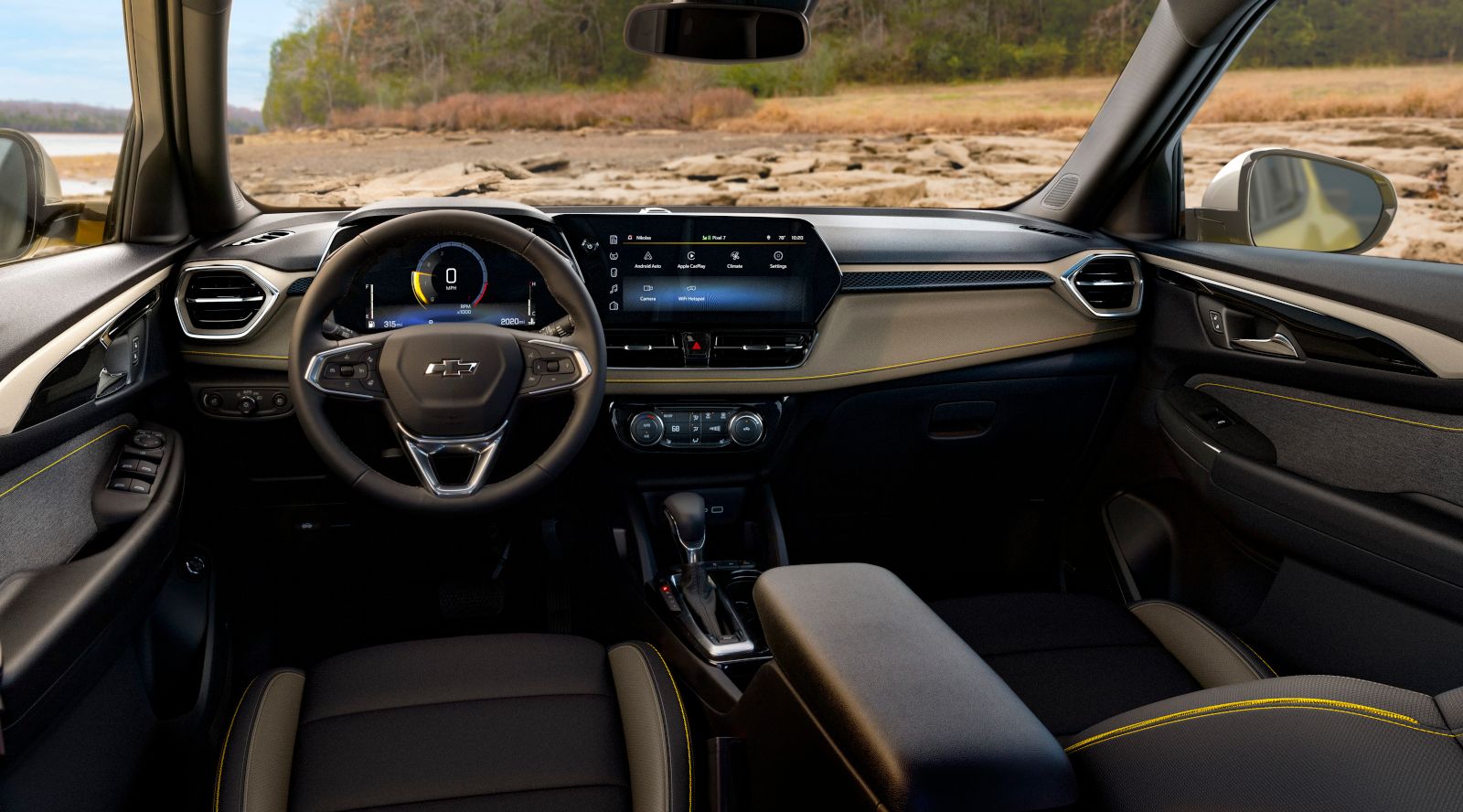
Every one of these models leans on a touchscreen and phone integration rather than buried menus, but the displays and software scale with the model:
- Trax: an 11-inch HD touchscreen with wireless Apple CarPlay and Android Auto on LT and above, plus an 8-inch Driver Information Centre.
- Trailblazer: an 11-inch HD touchscreen with wireless Apple CarPlay and Android Auto, paired with an 8-inch Driver Information Centre.
- Equinox: an 11.3-inch touchscreen running Google built-in with standard adaptive cruise control.
- Equinox EV: a 17.7-inch touchscreen with Google built-in and Google Automotive Services, plus an 11-inch Driver Information Centre.
- Bolt: an 11.3-inch display with Google built-in, a configurable 11-inch driver information centre, and 5G connectivity for streaming apps while parked or charging.
Range, Charging, and a Lower-Stress Commute
For a household ready to skip gas stations, the Equinox EV and Bolt answer differently. The Equinox EV is estimated at 513 km of range in FWD form and 494 km with dual-motor AWD, drawing from an 85 kWh Ultium battery and supporting DC fast charging up to 150 kW. It also carries a 1,500 lb (680 kg) tow rating across its trims.
The Bolt is smaller and simpler: a GM-estimated 410 km of range from a 65 kWh lithium iron phosphate battery, the same 150 kW DC fast-charging ceiling, and a 26-minute 10-80% charge time through its NACS port. Both carry an 8-year/160,000 km battery warranty.
For most weekly campus commutes, either range comfortably covers the distance without a daily plug-in, which shifts the real decision back to cabin size and cargo rather than range anxiety.
Matching Each Model to a Real Semester
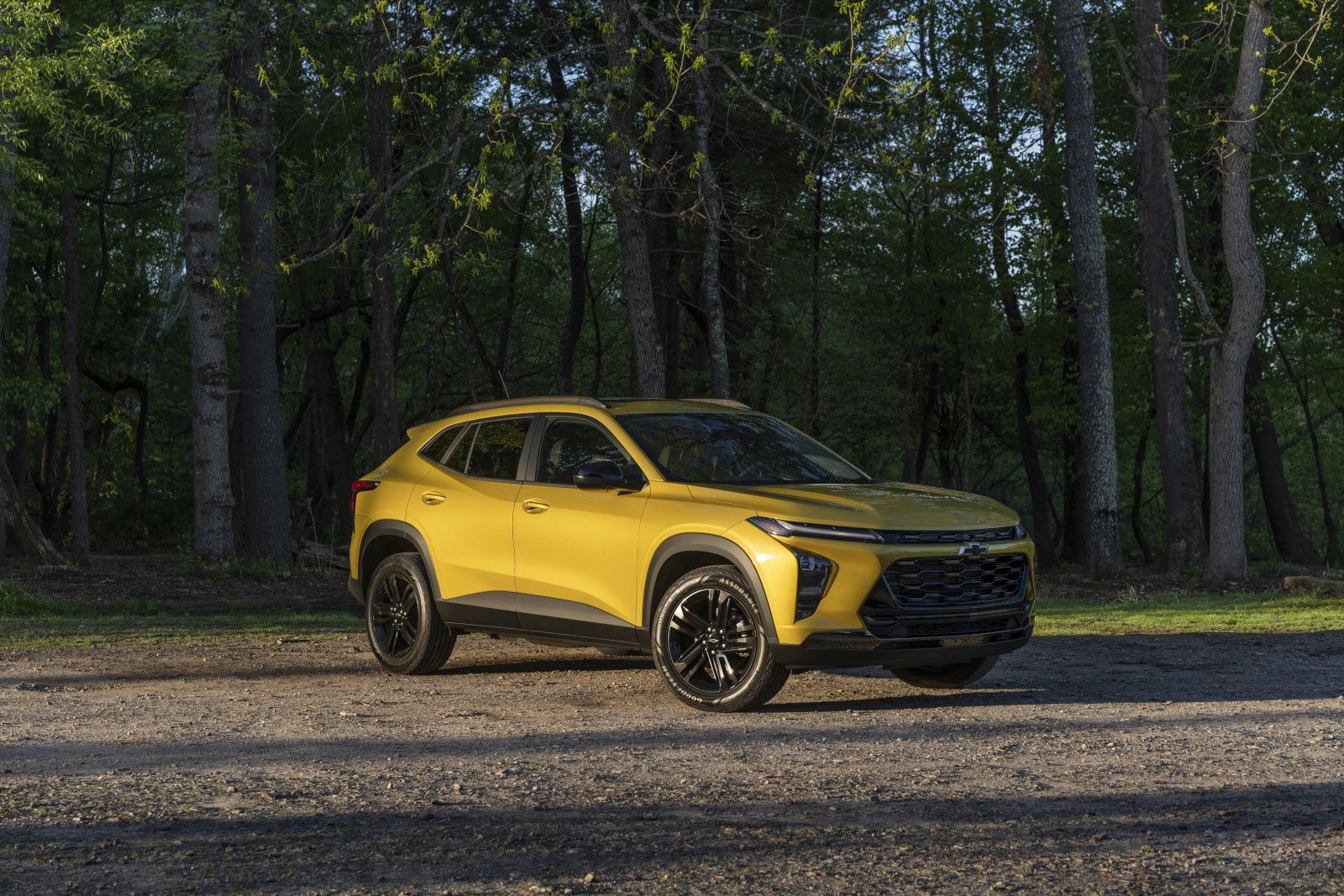
A solo student parking on a tight street and driving mostly alone fits the Bolt’s compact 4,307 mm footprint and 458 L cargo hold, or the Trax if a single, simple gas powertrain feels more familiar.
A roommate carpool covering group errands and a full back seat fits the Trailblazer, whose 716 L cargo hold, split-fold seat, and available AWD handle shared living better than a smaller shape.
A parent shopping for a new driver’s first car fits the Trax or Trailblazer, both built around standard driver-assist features and a manageable footprint for learning city and highway driving.
A family managing co-op placements, moving days, and long-term ownership fits the Equinox, whose 1,798 L cargo hold and 1,500 lb (680 kg) tow rating cover the widest range of hauling needs among the gas models.
A household ready to trade gas stations for a charging routine fits the Equinox EV, with its 513 km range and larger cabin, or the Bolt if a smaller car and a lower step into an EV suit the routine better.
Comparing These Five Chevrolets in Mississauga
Five body styles and two powertrain types cover most of the situations a student or a parent runs into this time of year, from a single parking spot near class to a weekend move between apartments.
Visit Applewood Chevrolet Buick GMC in Mississauga, Ontario to sit in the Trax, Trailblazer, Equinox, Equinox EV, and Bolt, and compare seating position, cargo access, and tech setup in person before deciding which one fits your semester.
You might also be interested in these blogs: