Every fall, the same question comes up in the service lane: is it time for winter tires yet? The answer has less to do with the calendar and more to do with the thermometer. Cold pavement changes how tires grip long before the first snowflake lands.
This guide covers the 7°C rule of thumb, why all-wheel drive still needs the right tires, and how the tire tools built into your Chevrolet, Buick or GMC help you stay on top of the switch. You will also find a short checklist to use before you book your changeover.
The 7°C Rule of Thumb
A widely used rule of thumb says to put winter tires on once daytime temperatures stay at or below 7°C. All-season tires handle a broad range of conditions, but their rubber gets harder as the air turns cold. A harder tread grips less on cold pavement, slush and ice.
Winter tires use a softer compound and a deeper, more open tread that stays flexible in the cold and bites into snow. That is why the switch makes sense even on a cold, clear morning with no snow in the forecast.
Timing matters for another reason too. Many drivers wait for the first storm, and service calendars fill up fast once it hits. Booking as soon as temperatures start sliding toward 7°C gets you a better choice of appointment times.
The same rule works in reverse. Once spring temperatures stay above 7°C, winter tires wear faster on warm pavement. That is your signal to swap back to your all-season set.
Why All-Wheel Drive Still Needs Winter Tires
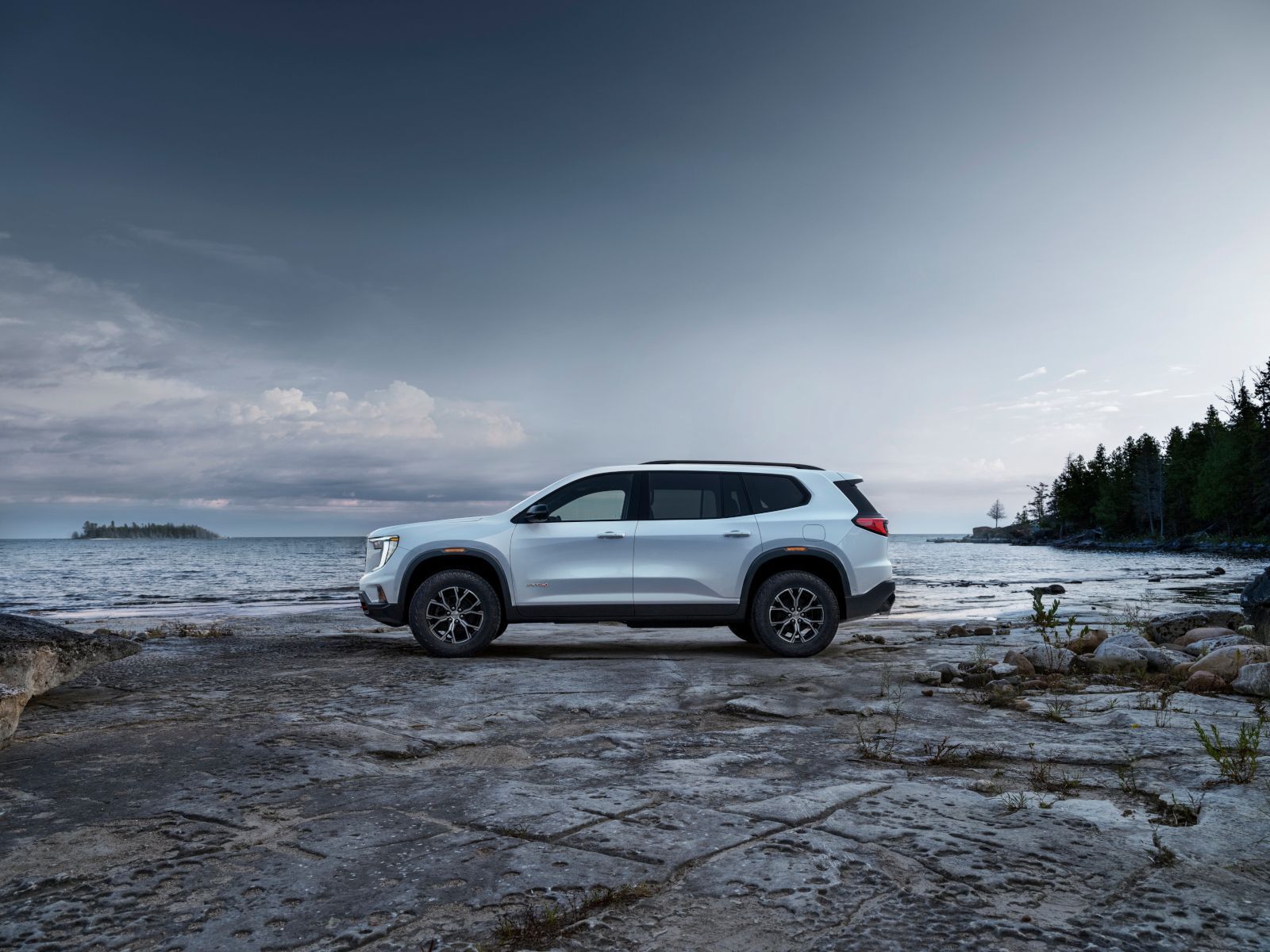
GM describes its all-wheel-drive systems as helping you stay in control in low-traction situations like rain, sleet and snow. AWD decides where power goes. Your tires provide the actual grip, and they do it for accelerating, steering and braking.
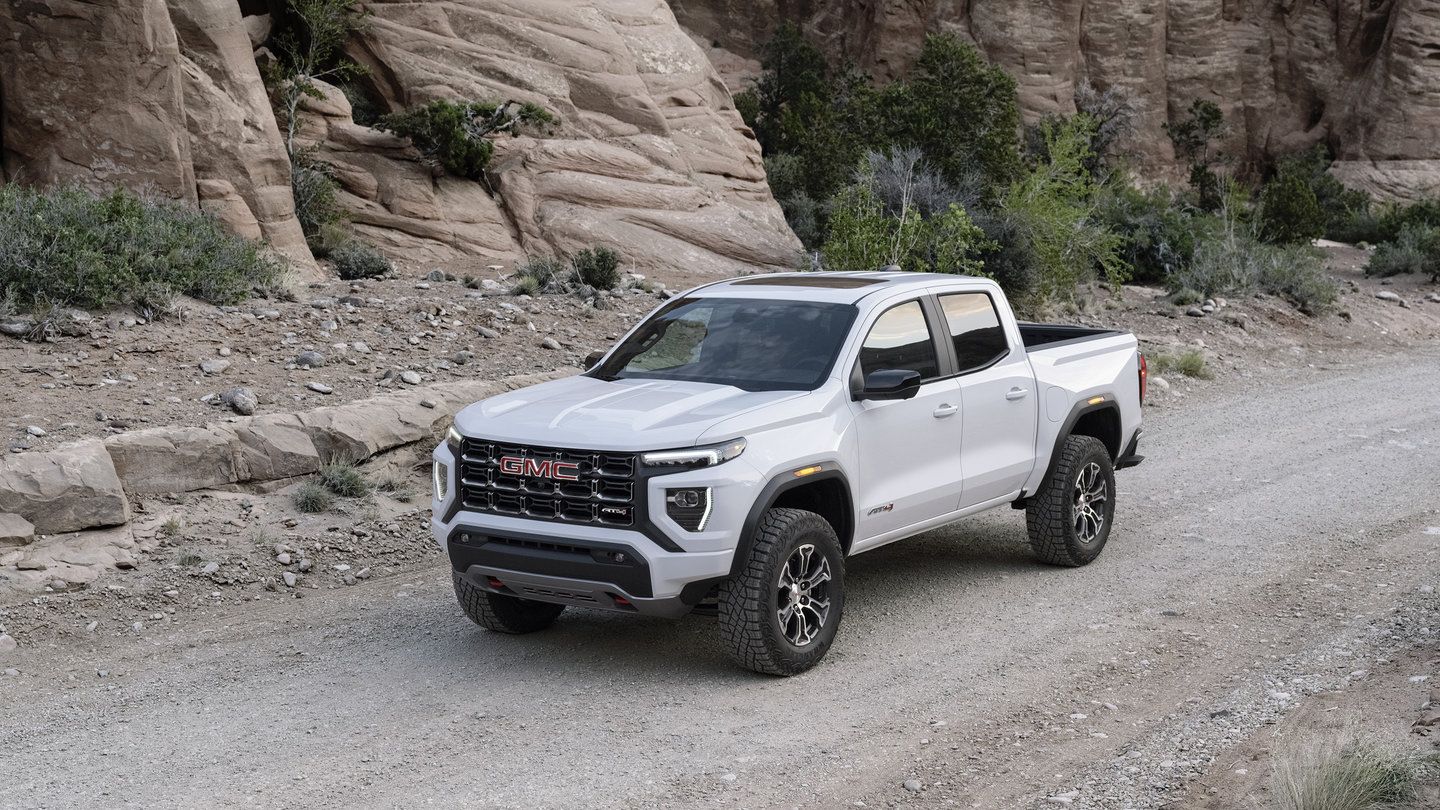
On models such as the 2027 GMC Acadia, StabiliTrak electronic stability control with Traction Control detects wheel slip. It then applies brake pressure or reduces engine power to help you keep control on wet or snow-covered roads. Better grip at each corner gives these systems more to work with.
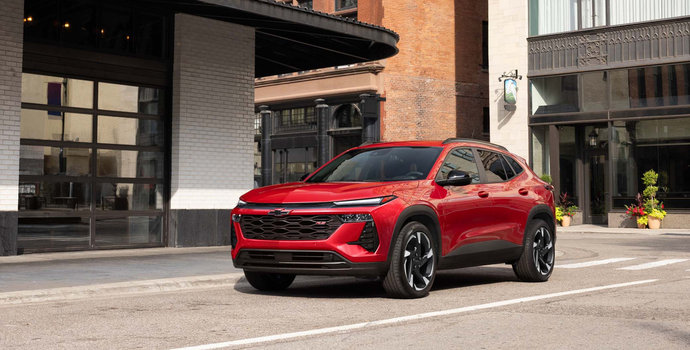
Electric models follow the same logic. Chevrolet’s cold-weather guidance for its EVs says winter tires are recommended, and are mandatory in some areas, because they add traction in the same way they do on gas-powered vehicles.
Know Your Tire Size Before You Book
Winter tires need to match the size approved for your vehicle. Your size is on the tire sidewall and on the label in the driver’s door frame. Many GM SUVs offer several wheel sizes in one model, so check the tires you actually have.
Here are two examples of how much sizes can vary within one model:
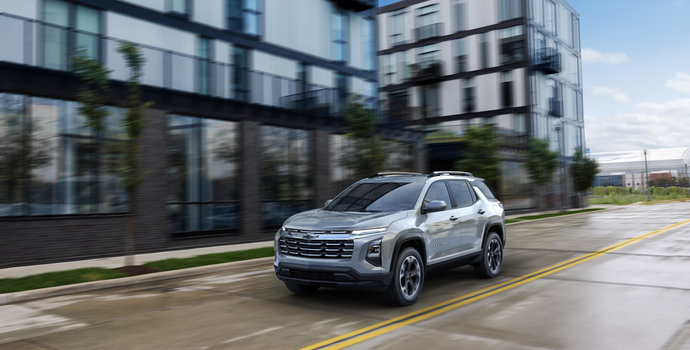
- 2027 Chevrolet Equinox: 235/65R17 (17-inch, AWD models), 235/55R19 (19-inch) or 235/50R20 (20-inch) all-season tires
- 2027 GMC Acadia: 255/65R18 (18-inch), 255/55R20 (20-inch) or 275/45R22 (22-inch) all-season tires
Some owners run a different wheel diameter for winter. If that interests you, ask the service team which sizes are approved for your exact vehicle before you buy.
Check Pressure as Temperatures Drop
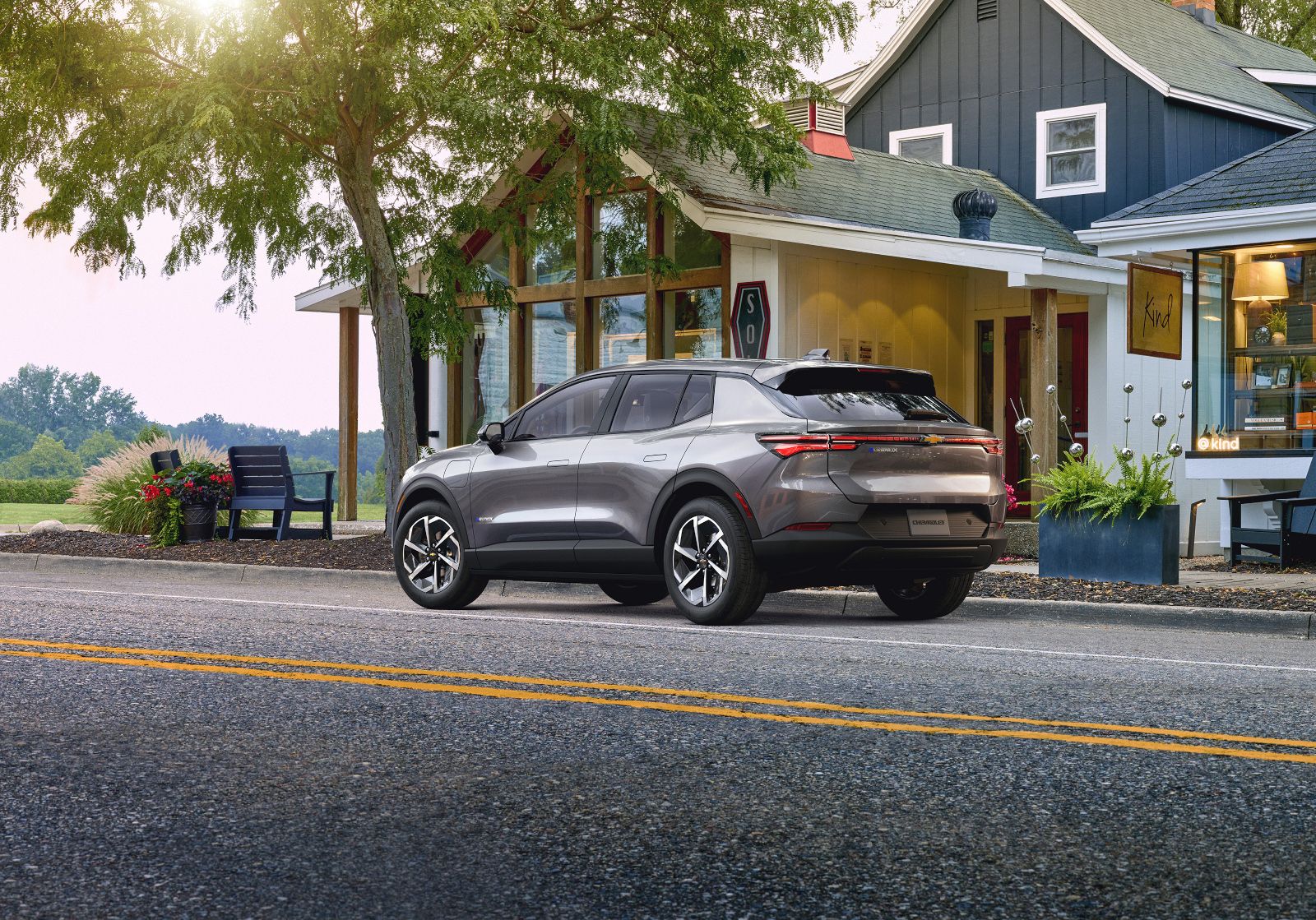
Cold air makes tire pressure fall. A tire set correctly on a warm afternoon can read low on a frosty morning, even with no leak. Check pressure with the tires cold and fill them to the number on the door-frame label. The sidewall number is a maximum.
GM’s Tire Pressure Monitoring System watches the pressure in each tire and alerts you to a low-pressure condition in one or more of them. On properly equipped Chevrolet models, tire pressure can also be checked through the myChevrolet mobile app.
For EV owners, pressure matters even more. Chevrolet notes that keeping tires properly inflated helps optimize range and avoid uneven wear, especially during the cold months.
Signs Your Winter Tires Need Replacing
Before you mount last season’s set, give each tire a quick look. Winter tires lose their bite as the tread wears down, so a set that worked well last year is worth checking again.
- Tread worn down to the built-in wear bars
- Cracks, bulges or cuts in the sidewall
- Uneven wear across the tread, which can point to pressure or alignment issues
If you spot any of these, have the tires inspected before the cold season starts.
Key Takeaways
|
Question
|
Answer
|
|
When should I switch to winter tires?
|
Once daytime temperatures stay at or below 7°C
|
|
When should I switch back?
|
Once spring temperatures stay above 7°C
|
|
Does AWD replace winter tires?
|
No. AWD manages power; tires provide grip for accelerating, steering and braking
|
|
Where do I find my tire size?
|
On the sidewall and the label in the driver’s door frame
|
|
How should I check pressure?
|
Regularly as temperatures drop, with the tires cold
|
|
Do EVs need winter tires?
|
Chevrolet recommends them, and they are mandatory in some areas
|
Book Your Changeover at Applewood Chevrolet Buick GMC
When the forecast starts dipping toward 7°C, the service team at Applewood Chevrolet Buick GMC in Mississauga can mount your winter set, set the pressures and check your tread. Pick a time that suits your week and start the cold season on the right tires.